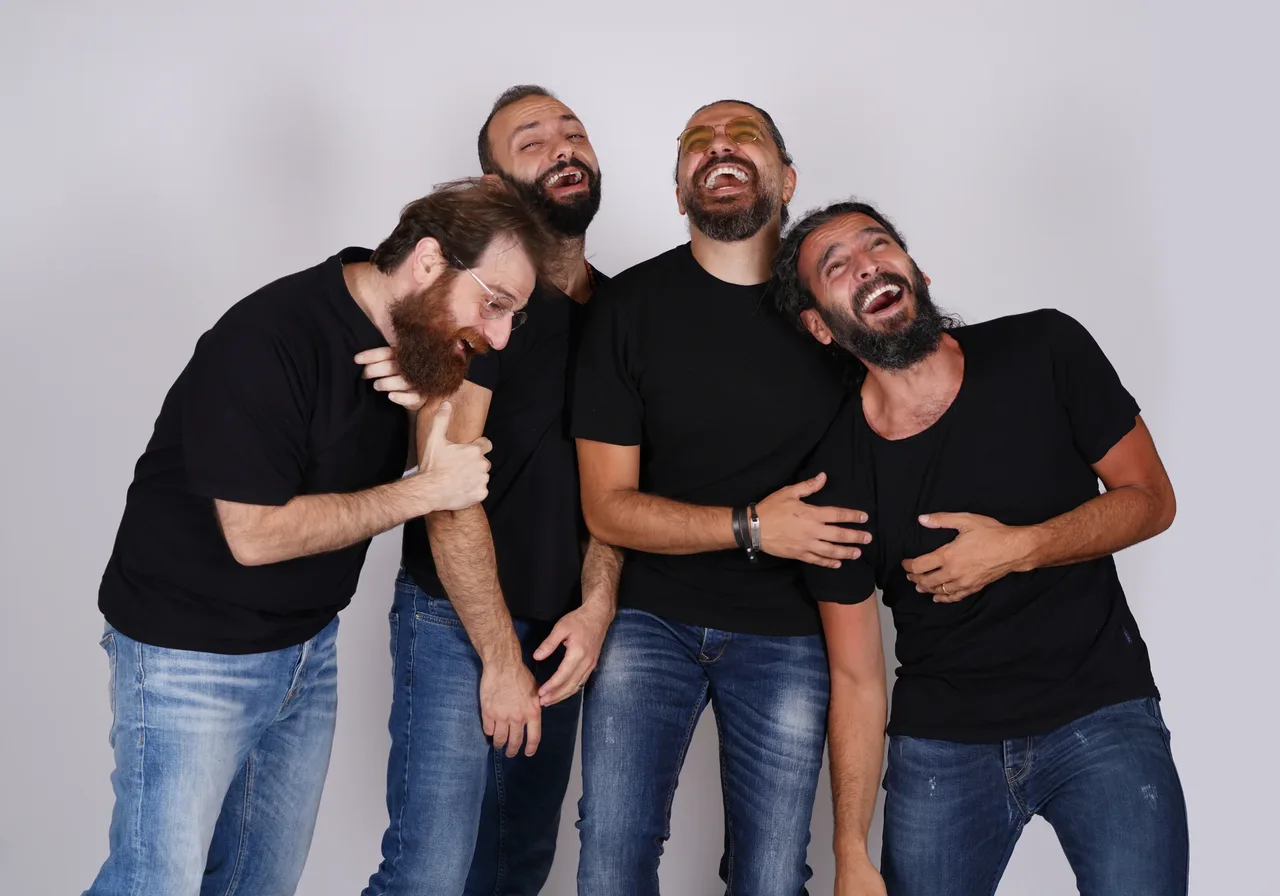
A useful portrait brief connects the person, the image and the place where it will be seen. It does not need polished presentation slides. A few precise observations can explain more than a folder full of unrelated references.
Begin with the use
Describe where you expect to use the photograph: an artist profile, a website introduction, a release announcement or another piece of communication. The same person can need a different kind of frame in each context.
If the photograph must sit beside text or fit an existing layout, share that context. A narrow profile crop and an image with open space for a title ask different things of the composition. It helps to know which use matters most before gathering visual references.
Name the impression
Choose a few words that describe how the portrait should feel to someone meeting your work for the first time. Then translate those words into visible choices. Reserved might mean a still pose and a quiet background; expressive might mean a stronger gesture or a more deliberate colour relationship.
These are starting points, not fixed translations. The useful part is the conversation about why a particular choice feels like you. A brief becomes clearer when it explains the intention as well as the visual example.
Introduce the person behind the work
A visual brief becomes more useful when it contains a little context about the person or brand being photographed. Explain what you make, who you hope to reach and what a new viewer should understand after seeing the image. You do not need to compress your entire history into an introduction. Choose the details that relate to the portrait. An artist preparing a new release and a business owner introducing a studio may need different impressions, even when both want a composed and confident photograph.
It can help to write a sentence beginning with the person seeing this image should feel. Then make the answer concrete enough to discuss. Trust, curiosity and familiarity can each suggest a different starting point, but they remain broad until you connect them to your work. Explain why that impression matters in this particular context. The portrait can then be considered as part of a larger introduction rather than an isolated image that is expected to communicate everything at once.
Decide what should remain consistent
If you already have a visual identity, identify which parts the portrait needs to sit beside. A website with restrained colours and generous space may provide a different context from an expressive album campaign. Share the actual materials if you can, or describe the elements that should remain recognisable. This does not mean the photograph must repeat every colour or shape already in use. It means the new image should have a conscious relationship with the work around it.
It is just as useful to say which parts you want to change. Perhaps older portraits feel too formal, or a previous visual direction no longer represents the work. Explain the problem in ordinary language rather than asking for something more modern without context. The studio can respond more meaningfully to a specific change in impression. A clear brief often contains both continuity and movement: the qualities that should still feel like you, and the qualities you want the new portrait to express more strongly.
Give each selected image a purpose
The Golden package contains one edited photograph and the Platinum package contains three, each within one setup. Think about what those images need to do. If one portrait will be the main public introduction, say so. If three images will be used across different contexts, describe how those contexts differ. This can guide the kind of variation you hope for without assuming that three photographs mean three separate setups or a different outfit for every image.
For example, you may want one direct portrait for a profile, another composition with more space around the person, and a third with a different expression. These are requests to discuss within the stated offer, not promises of an exact shot list. The point is to explain why several images would be useful. A collection with a clear purpose is easier to review than a request for variety on its own, because each photograph has a role in the way the work will be presented.
Make the final brief easy to review
Bring the practical and visual details into one concise document or message. Include the purpose of the photographs, the selected package, the intended uses, a few references with notes and any date by which you hope to receive the work. Keep open questions visible. If you have not decided how formal the portrait should feel, state that rather than choosing a reference you are uncertain about and hoping the intention will be understood. The brief should be a basis for conversation, not a performance of having every answer.
The written Brand & Artist Visuals offer includes professional editing, one setup and white labelling. Its listed photo delivery is within one month, with full payment at confirmation. The terms permit use and modification while prohibiting resale of the photographs. Keep these concrete details beside the creative direction so the project has one shared definition. If the idea changes, update the brief rather than allowing a series of separate messages to become conflicting versions of what the photographs are meant to contain.
Give references a reason
For each reference, write one sentence about what you want to carry into your own work. You may like the space around a sitter without wanting their clothes or set. Identifying that difference helps keep the photograph connected to your identity.
Add existing brand materials if they are relevant: colours, typography or a previous image that still feels right. They can show what should remain consistent while leaving room for a new portrait to have its own character.
Match the brief to the offer
Parapluie’s Brand & Artist Visuals Golden package is $100 for one edited photo and one setup. Platinum is $200 for three edited photos and one setup. Both list white labelling. The written terms permit use and modification of the images while prohibiting resale of the photographs.
Use the package details to define the required collection, and discuss anything beyond the listed offer with the studio. A clear brief makes that discussion specific: what the photographs need to say, where they will appear and what you want the finished work to contain.
Continue with the session details and the current offer.
Explore Brand & Artist Visuals