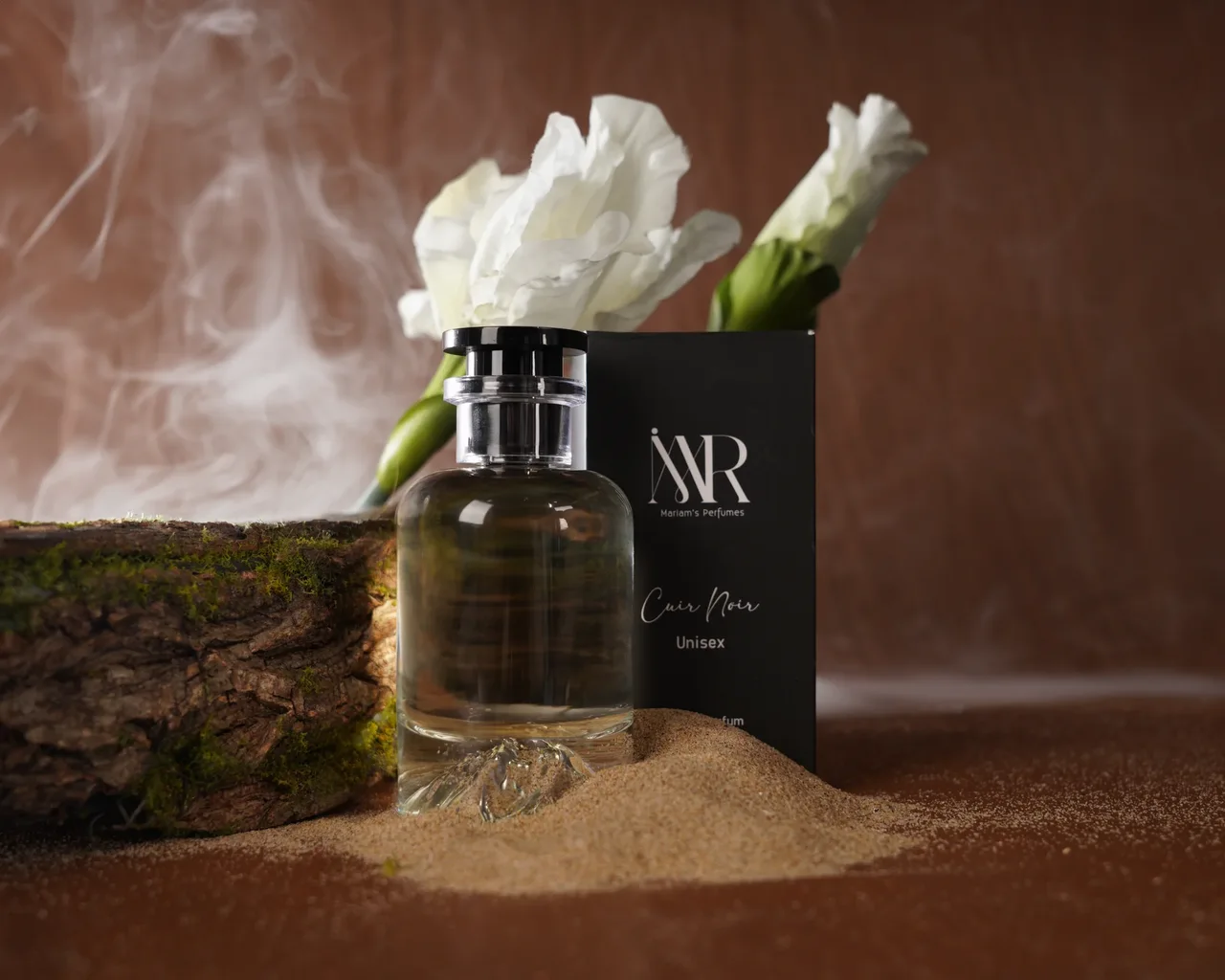
Before choosing the look of a product photograph, decide what it needs to do. A clear view of the object and an image built around a theme serve different purposes. A collection can include both, with each photograph doing a specific job.
Let a plain background do its work
A plain background photograph keeps attention on the product. It can be a useful choice when the object itself needs to be easy to see, or when a series should share a simple visual language. At Parapluie, plain background Product Photography is $10 per photo.
Think about the views you need before deciding on a quantity. A front view, a detail and another angle are separate photographs. Choose them because each adds information, rather than because a larger collection automatically makes a stronger presentation.
Give a theme a clear purpose
A theme creates a setting for the product. You might begin with a colour, an atmosphere or an idea that belongs to your brand. Share references to explain the direction, then say what you like about each: the restraint, the light, the space around the object or the feeling of the composition.
Themed Product Photography costs $100 per theme plus $20 for each photo in that theme. One theme with one photo is $120; the same theme with two photos is $140. Three photos within that theme total $160. The theme fee applies once to that theme, rather than once to every image.
Separate an image list from a product list
A list of products does not tell the studio how many photographs you need. One object may need a single image, while another may need a front view, a side view and a detail. Start a simple list with a row for each required photograph and a note about what it must show. You can then count the images without confusing them with the number of physical items. This matters because the published pricing is per photograph, and, for themed work, also includes a fee for each theme.
For example, three plain photographs of one object total $30 at the stated $10 per photo rate. A themed collection of three photographs within one theme totals $160. These are different offers, even if the same object appears in both. The comparison becomes clearer when the brief describes the intended pictures. If you are unsure whether the project needs plain images, a themed collection or both, describe the uses you have in mind before deciding on the final image list.
Make the theme count understandable
The number of themes should be visible in the brief alongside the total number of photographs. A useful draft might say that you want two photographs in one theme and one photograph in another. Under the stated pricing, that is two theme fees of $100 plus three photographs at $20, for a photography total of $260. The count gives both sides a shared starting point. What belongs within the same theme should be discussed from the actual concept rather than assumed from a broad description such as one campaign.
The Product page includes an estimate tool for this reason. You can enter the number of themes and the total number of photographs, or switch to plain backgrounds. The calculation shows the pricing structure rather than hiding the theme fee inside an unexplained starting price. It is still useful to send the actual image list with your inquiry. Numbers can describe the quantity of work, but they do not explain the visual direction, the objects involved or the arrangements a custom project may need.
Describe the places where the images will live
Think about how someone will encounter the photographs. A picture used as a large website opening may need a different composition from an image placed in a small product listing. If text will sit beside or over the image, share an example of the layout. If several photographs will appear together, explain which should lead and which should show supporting detail. These uses do not create additional package inclusions. They simply help describe what the requested photographs need to communicate.
A brand reference can also be practical rather than decorative. Send the colours, existing visual materials and examples that still feel representative of the business. Explain whether you want the new photographs to continue that language or introduce a different mood. You may have a precise concept, or only know that the current images no longer fit. Both are workable starting points for a discussion. The important thing is to make the intended change understandable instead of leaving the studio to guess what better should mean.
Know when to request a custom quote
Custom pricing is available when you want to discuss a brief beyond the straightforward examples on the page. Begin with the project as you understand it: the products, possible themes, approximate image count and any required date. Include the questions you have not resolved. A custom inquiry is more useful when it shows where the uncertainty lies. You might be choosing between two visual directions, deciding how much variety a collection needs, or planning a sequence of photographs with different purposes.
Keep the photography price separate from arrangements that have not yet been agreed. The published figures do not establish a universal delivery deadline, a payment schedule or extra services that are not listed. Those details belong in the conversation about the actual project. Before confirming a shoot, make sure the image count, theme count and any custom scope are understood together. A clear written brief gives you something concrete to review and makes later changes easier to identify.
Count themes and photographs separately
For more than one theme, the same structure applies to each. Two themes with one photo in each total $240: two theme fees of $100, plus two photos at $20 each. Keeping the two quantities separate makes a brief much easier to discuss.
A custom quote is also available. Describe what you want to photograph, the number of images you have in mind and the intended setting. If the project is still taking shape, say so; the first conversation can establish what belongs together and what needs its own theme.
Write a brief you can both use
A useful brief names the products, the intended image uses and the visual direction. Include any deadline you are working towards and examples of layouts where the photographs will appear. Delivery and booking arrangements can then be discussed for the actual project. The figures above explain the photography pricing; they do not add unstated services to the offer.
Continue with the session details and the current offer.
See Product Photography pricing