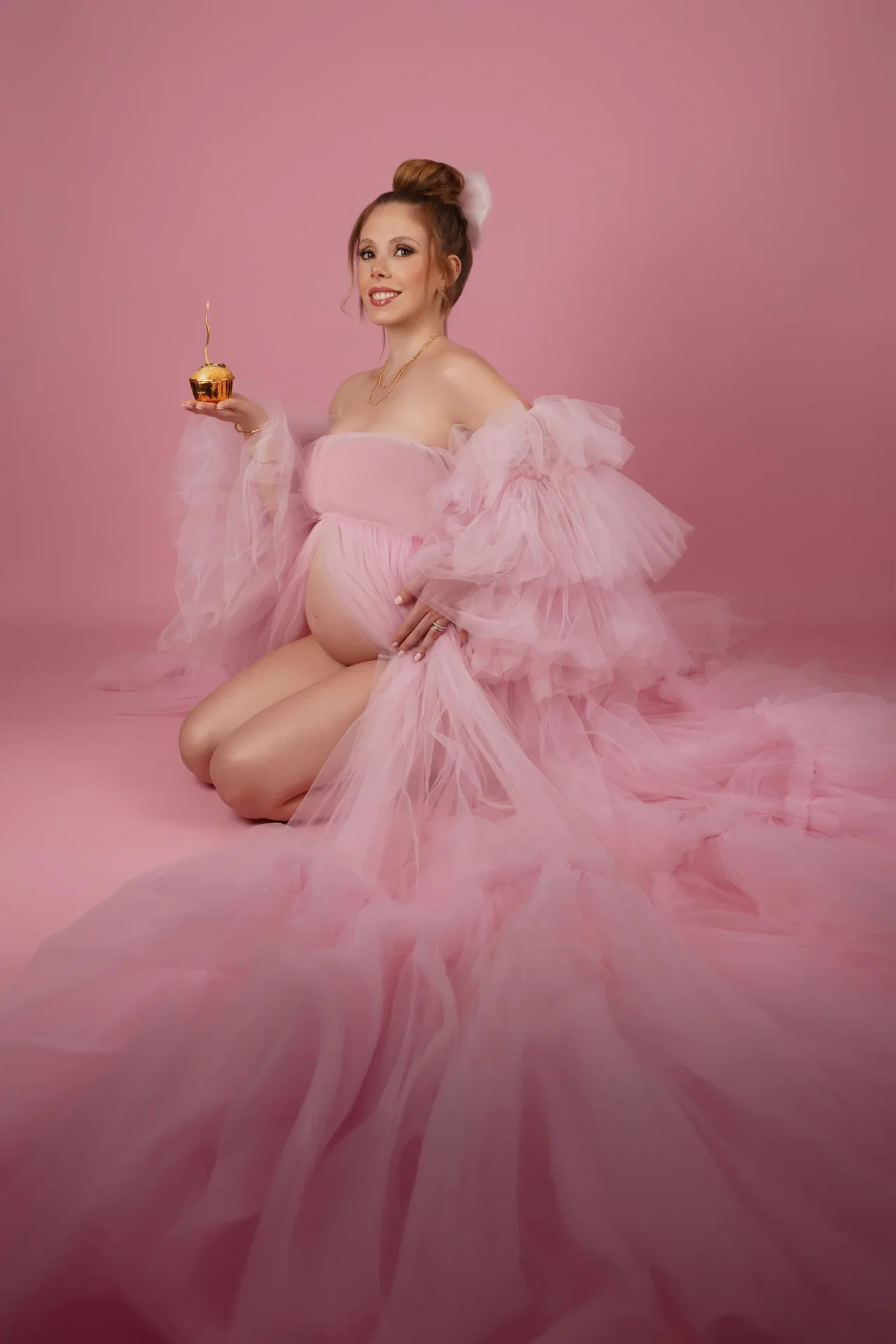
Choosing clothing for a portrait is also choosing how the image will feel. The outline of a dress, the texture of a sleeve and the relationship between colours all become part of the frame. A clear clothing plan gives each theme a coherent look.
Understand what a theme includes
For the Indoor packages, the client can choose one studio outfit for each included theme. A package with two themes means two outfits in total: one for the first theme and one for the second. Three themes allow three outfits, each used with its corresponding theme.
A second outfit within the same theme is not available. Changing takes time, so the session is planned around one outfit per person for that theme. If two looks are important to you, compare the packages with more than one setup before booking.
Plan for everyone in the photograph
When additional people in an Indoor photograph want to use studio outfits, the charge is $10 per additional person per theme. Each person still wears one outfit within that theme. The additional person charge does not buy an extra change for the main client.
Tell the studio who you hope to include and who wants a studio outfit. This makes the clothing plan easier to understand before the shoot. A photograph of several people is also a chance to think about how their clothes work together, rather than choosing each look in isolation.
Choose the feeling before the garment
Before focusing on a particular dress, describe how you want to appear in the portrait. You might want a strong silhouette, a softer outline or something that feels close to your everyday character. These preferences can guide the clothing choice without turning it into a search for the most elaborate piece. A garment that attracts attention on its own may behave differently as part of a complete photograph. The question is how it works with the person, the setting and the atmosphere you are hoping to create.
Look at the proportions and the way the clothing frames the face and hands. Consider where you want the eye to go first. A detailed sleeve or a large shape can be an important part of the image, but it can also become the main point when you intended the expression to lead. You do not need to solve the composition yourself. Describing these preferences gives the studio a clearer sense of what you want the wardrobe to contribute and what should remain visually quiet.
Understand the difference between variety and changes
Wanting variety in a collection does not necessarily mean changing clothes repeatedly. Expression, posture and composition can give photographs different characters within the same outfit and theme. The package still determines the number of selected images and setups, but it is useful to separate variety in the finished collection from the number of clothing changes. This can make a one theme session feel like a deliberate choice rather than a compromise, especially if you have one outfit or visual idea that matters most.
If your idea depends on two distinctly different outfits, plan for that through the package setup allowance. An Indoor package with two themes provides one client outfit for each theme. It does not provide two outfits for each of the two themes. The distinction keeps the time available for changing and photographing understandable. Paying for an extra outfit within a theme does not create an additional change, because that option is not available. The clothing plan needs to fit the session structure from the beginning.
Use a simple example for additional people
Imagine a two theme Indoor session for the main client, with one additional person who also wants a studio outfit in each theme. The client’s two outfits follow the package allowance. The additional person’s studio outfits are charged at $10 per theme, for $20 across the two themes. Each person wears one outfit during the first theme and one during the second. The charge relates to studio clothing for the additional person. It is not a general permission to keep changing during either theme.
If the additional person only needs studio clothing for one theme, describe that clearly when planning the shoot. Likewise, say which people intend to bring their own clothes. The purpose of discussing the clothing plan is to understand the actual arrangement rather than applying a vague additional dress amount to the whole group. Other services may have different written inclusions or group rules. Use this example to understand the agreed Indoor wardrobe arrangement, and refer to the specific package when planning a different type of session.
Prepare a clothing conversation that is easy to answer
A useful message names the package, the people attending and the kind of outfit each person hopes to use. Add a reference if it helps explain the shape or colour. If you have a personal garment you want to bring, explain how important it is to the concept and whether it is intended for a particular theme. This gives the studio a practical picture of the session before the day. It also makes it easier to identify questions about the plan while there is time to discuss them.
Treat photographs of the wardrobe as a starting point for that conversation. They show a visual direction, but a photograph by itself does not confirm the suitability or availability of a particular item for your session. Discuss the specific clothing choice directly with the studio before making it the centre of your session plan. Once the outfit plan and the number of themes are clear, you can focus on the portrait as a whole rather than making a sequence of clothing decisions during the session.
Start with colour and shape
You do not need identical outfits for a connected portrait. Look for a shared colour family, a balance of lighter and darker tones, or shapes that sit comfortably together. If one outfit is visually elaborate, quieter clothing elsewhere can leave it room.
Try to separate liking an outfit on its own from liking it in the whole picture. The set, the other people and the intended mood all matter. A simple description of what you want the portrait to feel like can be more useful than a long list of garments.
Read the offer for your session
Wardrobe details belong to the package you choose. A dress or outfit is included only where stated; another service’s package should not be assumed to include the same wardrobe arrangement. Keep the final package page beside your clothing ideas, and ask the studio about any part of the plan that is unclear before the day.
Continue with the session details and the current offer.
See Indoor session details