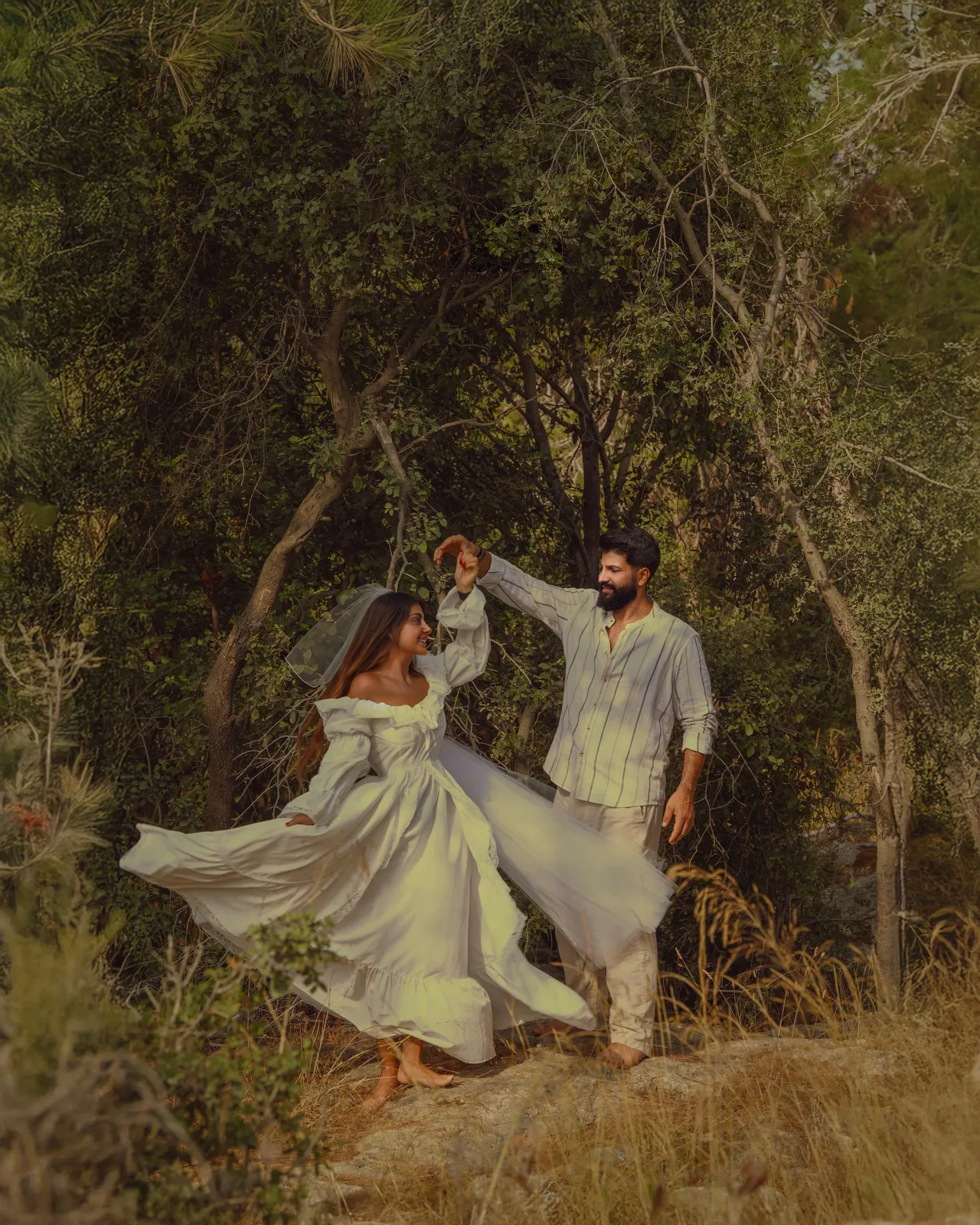
An outdoor location gives a portrait more than a background. It brings its own colours, textures and sense of space. The strongest starting point is knowing why that place belongs in your photographs, whether it holds a personal memory or simply has the atmosphere you imagine.
Choose the place for the picture
A dramatic view and a useful portrait setting are not always the same thing. Look at the details you would like to see around the person: a wall, a line of trees, a terrace or a patch of open space. A small part of a location can give the photograph everything it needs.
Share a location pin and any reference photographs when you contact the studio. Describe what you like about the place. This gives the conversation a more precise starting point than a broad area name alone.
Make the practical details visible
Think about access to the chosen spot, the people attending and the clothing you intend to use. If permission is needed to enter a location, identify that before treating it as a confirmed setting. Mention any timing limits you already know about.
Weather and changes to a location can affect a plan. Discuss how those situations will be handled with the studio before confirming the session. An outdoor reference photograph is an inspiration for the mood; it cannot promise the same conditions on another day.
Look for a relationship between person and place
Begin by deciding how much of the location should appear in the finished photograph. You may want the setting to be recognisable because it has personal meaning, or you may only want its colour and texture to surround the portrait. These intentions can lead to different compositions at the same place. Explain which matters to you when sharing the location. It helps the studio understand whether the landscape is part of the story or whether the person should remain the clear centre with only a suggestion of the surroundings.
Think about the clothing in that relationship as well. A strong colour may stand apart from the place, while a quieter palette may connect the person to it. Neither choice is automatically better. The useful question is what you want the viewer to notice first. If the setting and the outfit both demand attention, the image can feel different from the calm portrait you imagined. Share references that show the balance you like, and explain whether it is the colour, the scale or the feeling of the photograph that appeals to you.
Make the location information specific
A location name can cover a large area with several possible access points. A precise Google Maps pin gives the studio a more useful starting point for planning and for the stated travel calculation. If the actual shooting spot is away from the point where someone arrives, describe that too. Mention any known opening times, entry arrangements or restrictions. This is not about turning the inquiry into a complicated itinerary. It is about making the details that could affect the plan visible before the location is treated as confirmed.
A few photographs of the place can add context that a pin does not provide. You might want to show the particular wall, tree line or terrace you have in mind, rather than a general view of the area. Explain when those photographs were taken if the appearance of the place may have changed. A reference is useful evidence for a discussion, but it is not a guarantee that the location will look identical on the session date. Keeping that distinction clear helps the creative idea and the practical plan develop together.
Read the travel amount with the package
For the general Outdoor offers, the stated package price and the travel charge are separate parts of the total. Évasion is $300, Horizon is $420 and Majesté is $540 before the applicable fuel amount. If the Google Maps distance from the studio to the location is 25 kilometres, the stated $1 per kilometre calculation adds $25. Évasion at that distance would therefore have a package and fuel total of $325. The example explains the written calculation rather than creating a new travel allowance or a separate return charge.
Use the same care when comparing other outdoor services. Outdoor Maternity and Outdoor Fine Art have their own package lists and do not list this fuel surcharge. The fact that a session takes place outside does not by itself add an extra that is absent from its offer. Events do list the distance charge. When making an inquiry, name the service as well as the location so the relevant package and its written extras remain connected throughout the discussion.
Plan for a clear decision if circumstances change
Before confirming an outdoor session, discuss how you will communicate if the weather, access or availability of the location changes. The useful questions are practical: who will make contact, when the situation will be reviewed and how the next arrangement will be agreed. These questions should be answered for the actual booking. A general article cannot replace that agreement or promise that every location change will be handled in the same way.
The approved cancellation position for fully prepaid packages is that refunds are assessed case by case according to arrangements already made. Keep that separate from assumptions about rescheduling or weather. If you need a particular date, explain why it matters during planning. If you have flexibility, say so. A clear conversation about the parts of the plan that are fixed and the parts that can move makes it easier to consider an alternative if one becomes necessary, while keeping the intended photographs at the centre of the discussion.
Understand the travel calculation
The general Outdoor packages list a travel charge of $1 per kilometre. The distance is measured in Google Maps from Parapluie Studio to the shooting location. A location 25 kilometres from the studio therefore adds $25. This is the studio to location distance, without doubling it for a return journey.
Events use the same listed distance calculation. Outdoor Maternity and Outdoor Fine Art do not list this fuel charge in the supplied packages. Read the offer for the particular session you are considering rather than applying one category’s extras to another.
Keep the idea connected
Bring the setting, clothing and mood into the same conversation. You may want the location to be recognisable, or you may prefer it to sit quietly behind the portrait. Saying which matters to you helps give the photographs a clear direction. The finished collection should feel connected to the place without losing sight of the person in it.
Continue with the session details and the current offer.
Explore Outdoor packages